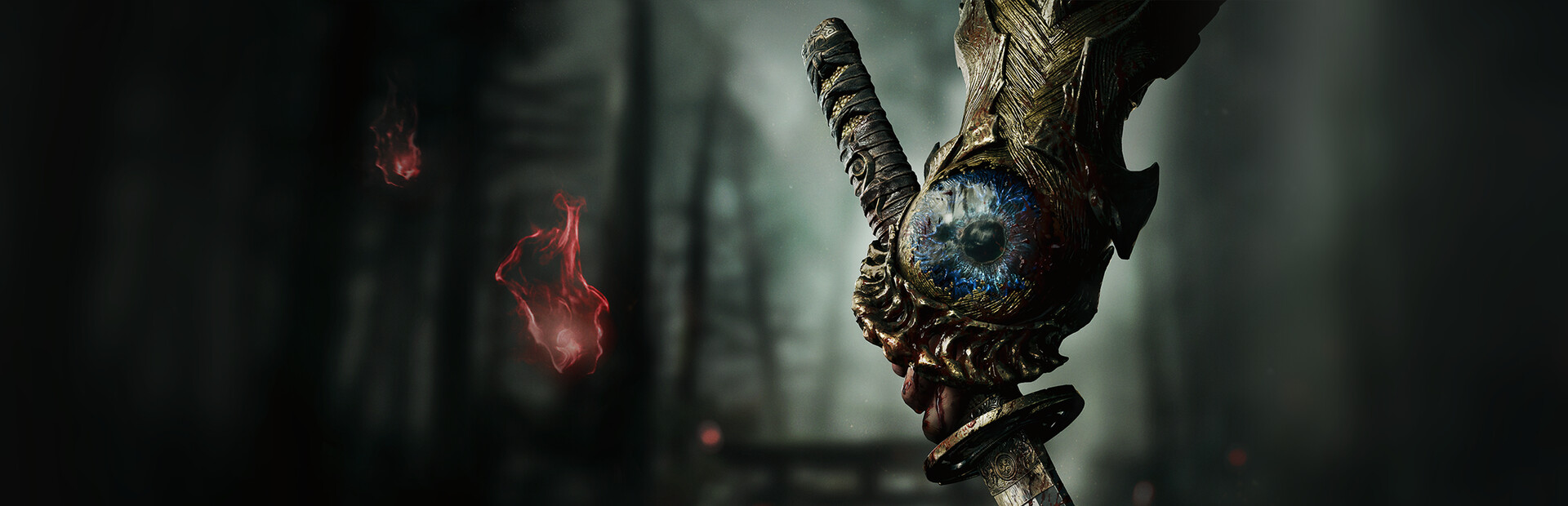
Onimusha: Way of the Sword Review - Capcom's Action Masterpiece
Read our definitive Onimusha: Way of the Sword review to discover if Capcom's samurai revival lives up to the hype with its brutal combat and stunning visuals.
Table of Contents
After two decades of silence, the samurai have finally returned to reclaim their throne in the action genre. In this comprehensive onimusha: way of the sword review, we explore how Capcom has successfully modernized a PlayStation 2 classic for a new generation of hardware. This isn't just a nostalgic trip; it is a mechanical overhaul that challenges the dominance of the Soulslike subgenre by offering something faster, more precise, and visually breathtaking.
Whether you are a veteran of the original series or a newcomer attracted by the stunning character models, this onimusha: way of the sword review will break down everything from the frame-perfect Issen timing to the intricacies of the Eastern Kyoto hub. Capcom has delivered a package that feels both familiar and revolutionary, proving that the "Way of the Sword" is still the most rewarding path a gamer can take in 2026.
A Legend Reborn: Miyamoto Musashi and the Genma Threat
The narrative of Onimusha: Way of the Sword places players in the sandals of the legendary Miyamoto Musashi. Modeled with haunting accuracy after the late, great actor Toshiro Mifune, Musashi is not your typical altruistic hero. He is a man driven by the pursuit of martial perfection, whose life is cut short only to be bargain-binned back into existence by a mysterious figure in hell.
Upon his resurrection, Musashi is granted the Oni Gauntlet, a powerful relic that houses the spirit of a woman named Shizuka. This gauntlet allows him to absorb the souls of the Genma—demonic entities pouring out of a rift between worlds. The story is hard-carried by its characters. The dynamic between Musashi’s initial arrogance and Shizuka’s iron-willed guidance creates an emotional core that keeps the player invested even when the overarching "stop the demon invasion" plot feels familiar.
Quick Answer: Is it a Soulslike?
No. While it features challenging bosses and a focus on timing, it is a pure Action-Adventure game. It prioritizes aggressive combos, eye-frame management, and spectacular counters over the slow, stamina-gated exploration found in games like Elden Ring.
Mastering the Blade: Combat Mechanics Explained
The heart of any onimusha: way of the sword review must focus on the combat, as it is easily the game's strongest feature. Capcom has moved away from the "tank controls" of the early 2000s, implementing a fluid, multi-layered defensive system. Unlike many modern games that force you into a single defensive style, Way of the Sword encourages you to weave different techniques together based on the specific enemy archetype you are facing.
The Defensive Trinity: Dodge, Parry, and Deflect
To survive the later stages of the game, especially on Carnage difficulty, you must understand the nuances of the defensive options.
Mechanic
Input Timing
Best Used Against
Reward
Dodge
Liberal / Reactive
Grabs, AOE attacks, Unblockables
Reflex Combo (Time slows down)
Parry
Precise (Pre-impact)
Standard Sword/Melee attacks
Charges Blazing Gauge (Fire damage)
Deflect
Very Precise
Projectiles and Heavy Armored Foes
Massive Stamina/Stagger damage
Issen
Frame-Perfect
Almost any physical attack
Instant kill or Massive Boss damage
The "Issen" remains the white whale of the series. By attacking at the exact moment an enemy’s strike would land, Musashi performs a high-speed counter that can chain between multiple foes. According to community reports, the timing for an Issen is significantly tighter than a standard parry, making it a high-risk, high-reward tool for "gaming masochists."
The Stagger System and Break Issen
Beneath the health bar lies the Stagger Bar. Depleting this bar through relentless aggression or successful deflections puts the enemy in a "Broken" state. This allows for a Break Issen, a cinematic execution move. When fighting bosses, this mechanic becomes strategic: you can target specific body parts to gain different rewards. For example, targeting a boss's tail might yield extra souls for healing, while a headshot deals maximum raw damage.
Progression and the Oni Gauntlet
Progression in Onimusha: Way of the Sword is relatively straightforward but offers enough depth to reward thorough exploration. You manage three primary pieces of equipment: your Sword, your Clothes (Armor), and the Oni Gauntlet itself.
Soul Management
As you defeat Genma, they release colored orbs that you must manually absorb using the gauntlet. This adds a "tug-of-war" element to combat, as some enemies can actually steal these souls back to power themselves up.
Soul Color
Effect
Usage Strategy
Red
Currency
Spend at Spirit Mirrors to upgrade skills and gear.
Blue
Oni Energy
Refills the meter for special Oni Armament attacks.
Yellow
Health
Instant healing; rare except through Break Issens.
Purple
Awakening
Triggers Oni Awakening (Super Mode) when full.
Upgrading Your Arsenal
While the game emphasizes mastering a single blade, you will discover Oni Armaments—elemental sub-weapons that provide tactical eye-frames and massive area-of-effect damage. Players are advised to prioritize upgrading the Gauntlet first, as it increases the rate at which you absorb souls, effectively speeding up all other forms of progression.
Exploration Matters
Don't rush the main story. Many powerful Charms and Oni Armaments are hidden in side areas accessed through the Eastern Kyoto hub. Use the map to track "Malice" plants; clearing them often reveals shortcuts to upgrade materials.
World Design: The Hub of Eastern Kyoto
The game uses a "wheel and spokes" design. Eastern Kyoto serves as your central hub, a semi-open world that expands as you clear the "Malice"—a demonic fog lethal to mortals. From here, you travel to distinct "dungeons" like mist-shrouded mountains, fortified temples, and the Imperial Palace.
While the level design is visually stunning, some onimusha: way of the sword review scores from users have pointed out that the hub can feel a bit "padded." You will often find yourself hunting down "Spider Barriers" or solving floating block puzzles to progress. However, the combat encounters within these areas are so varied that the repetition rarely becomes a deal-breaker.
Side Content and Replayability
Capcom has packed the game with side quests that add flavor to the world. You’ll assist citizens returning to the city, hunt for collectible Lion Dogs (which unlock Japanese mythological lore), and close demonic rifts.
New Game Plus (NG+): Unlocks "Carnage" difficulty.
Carnage Mode: Enemies deal significantly more damage, and boss patterns become more complex.
Rewards: Completing the game on higher difficulties rewards you with the "Super Sword," making subsequent runs a power fantasy.
Technical Performance and Steam Deck Compatibility
For PC players, the port is exceptionally solid. Unlike some other recent Capcom releases, Onimusha: Way of the Sword runs smoothly without the stuttering issues seen in Dragon's Dogma 2. The facial animations, in particular, set a new industry standard, capturing every nuance of Musashi’s smirks and Shizuka’s stern glances.
Playing on the Go
The game holds a "Playable" rating on the Steam Deck. While the minimum specs are technically higher than the Deck's hardware, it maintains a consistent 30-40 FPS on low-to-medium settings. The only major drawback is the small text size in the stat menus, which can be difficult to read on the handheld's screen.
The Verdict: Is Way of the Sword Worth It?
In this onimusha: way of the sword review, we have looked at a game that excels through its focus. It doesn't try to be a massive 100-hour open-world slog. Instead, it offers a refined 20-30 hour experience where every combat encounter feels meaningful. The $70 price tag is justified by the sheer quality of the animation, the depth of the combat system, and the high replay value offered by Carnage mode.
The flaws—a sometimes finicky camera during tight boss fights and some clunky menu navigation—are minor compared to the satisfaction of landing a perfect Issen. Capcom has once again proven they are at the top of their game. For a detailed breakdown of how this title compares to other recent releases, check out the latest critic scores on Metacritic to see the global consensus.
Difficulty Spike
The game’s demo was intentionally easy. The final product features a steep difficulty curve in the back half. If you find yourself stuck, don't hesitate to use the "Story Mode" setting; the bosses in this game can be more punishing than those in many Souls-likes.
Common Mistakes to Avoid
Ignoring the Gauntlet: Many players focus only on sword damage. Without upgrading your gauntlet, you won't collect enough souls to sustain your special abilities or heal during long boss fights.
Mashing Buttons: This is not a Musou game. Mashing attacks will leave you open to counters. Learn to wait for the enemy's move and react.
Forgetting Environmentals: Many arenas contain explosive barrels or pushable carts. These are "I win" buttons for large groups of enemies.
Skipping Side Quests: Side quests are the primary source of "Charms," which provide passive buffs like health regeneration or increased stagger damage.
FAQ: Everything You Need to Know
Is Onimusha: Way of the Sword a remake or a new game?
It is a completely new entry in the franchise, serving as a soft reboot. While it references the lore of the original PS2 games, no prior knowledge is required to enjoy the story.
How long does it take to beat the game?
A standard playthrough takes about 20-25 hours. If you aim for 100% completion, including all side quests and Lion Dogs, expect closer to 40 hours.
Does the game have a photo mode?
Yes, and given the incredible character models and combat animations, it is one of the most robust photo modes in a Capcom title to date.
What is the best way to land an Issen in this Onimusha: Way of the Sword review?
The best tip is to watch the enemy's weapon, not their body. The moment the weapon starts its forward motion toward you is your window to hit the attack button. Practicing this on low-level Genma in the hub is highly recommended before facing major bosses.
Is Miyamoto Musashi really Toshiro Mifune?
Yes, Capcom officially licensed the likeness of the legendary actor. His performance is captured through high-fidelity facial scanning and motion capture that pays homage to his classic samurai films.