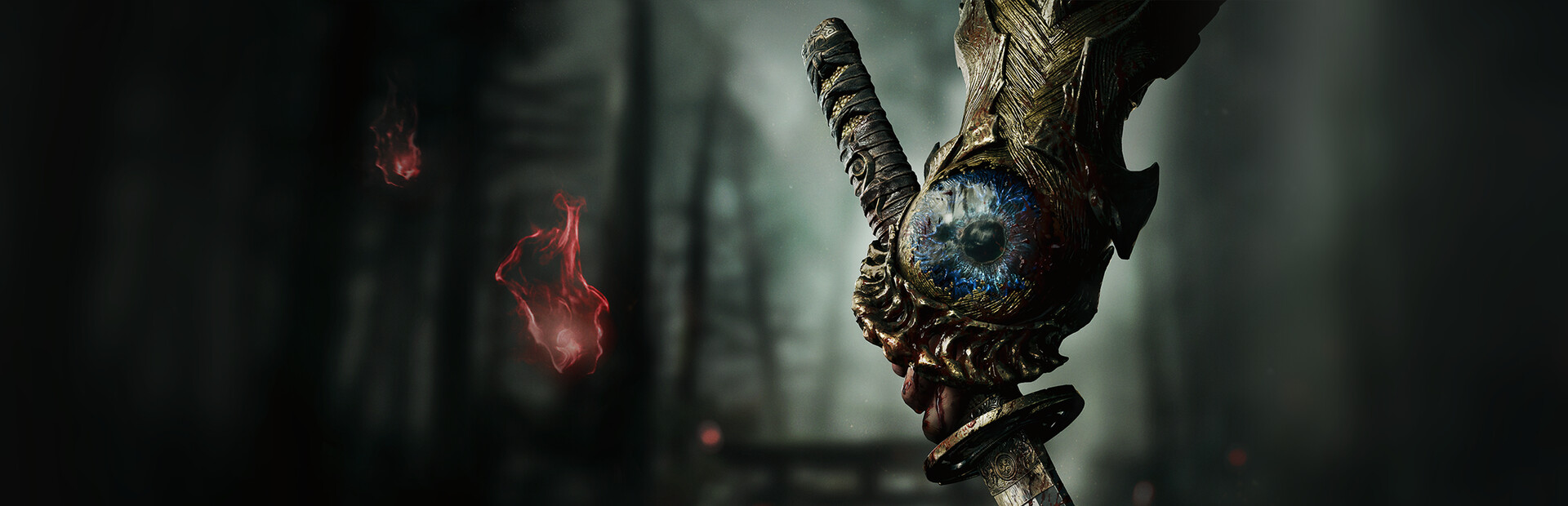
Onimusha: Way of the Sword PS5 Review: Is It Worth Playing?
Discover why Onimusha: Way of the Sword PS5 is a must-play action title. Get expert insights on combat, boss fights, and technical performance in our review.
Table of Contents
The legendary demon-slaying franchise has returned, and it is carving a bloody path right into our current console generation. Onimusha: Way of the Sword PS5 represents a bold, modern revival of a classic series, blending historical atmosphere with Capcom's signature, high-octane combat precision. Whether you are a long-time fan of the series or a newcomer seeking a challenge, understanding how this game leverages the power of the PlayStation 5 is essential to mastering the blade.
This revival is significant because it proves that tactical, sword-focused action still has a place in the modern gaming landscape. If you are wondering whether to pick up Onimusha: Way of the Sword PS5, this deep dive into its mechanics, performance, and gameplay loops will provide everything you need to decide if you are ready to face the Genma.
Master the Combat: The Heart of the Experience
At its core, this game is a love letter to precise, satisfying swordplay. The development team has moved away from mindless hack-and-slash tropes in favor of a deliberate, rhythm-based system. Each swing of your katana requires intent, and defensive maneuvers—such as parrying and deflecting—are the difference between life and death.
The tactile feedback provided by the DualSense controller is a standout feature. When you engage in a duel, the haptic feedback pulses with every clash of steel, grounding the digital action in a physical sensation that enhances the intensity of the boss encounters.
Combat Mechanics Breakdown
Action
Purpose
Timing Requirement
Light Attack
Sustained damage/Stun
Low
Heavy Attack
Guard break/Heavy stagger
High
Parry
Critical window opening
Extreme
Oni Gauntlet
Soul absorption/Buffs
Strategic
According to community reports, the early game can feel methodical, but as you unlock more of the skill tree, Musashi’s combat suite becomes exceptionally fluid. The key to success is patience; rushing in will leave you vulnerable to the vicious Genma hordes.
The Tale of Miyamoto Musashi: Setting and Atmosphere
The game transports players to an Edo-period Kyoto that has been corrupted by a supernatural blight known as the Malice. As Miyamoto Musashi, a samurai resurrected by a mysterious benefactor, your journey is as much about psychological struggle as it is about physical combat.
The storytelling is bolstered by incredible cinematic flair. Capcom has clearly poured significant resources into the presentation, ensuring that the cutscenes carry the weight of a big-budget period epic. The dynamic between Musashi and the spirit trapped within his gauntlet, Shizuka, provides the necessary narrative friction to keep the player engaged between the intense combat segments.
Performance: Why the PS5 Version Shines
One of the biggest concerns for modern action titles is technical optimization. Fortunately, this title runs with remarkable stability. Players on the PS5 Pro experience an "immaculate" level of technical polish, with options to uncap frame rates up to 120 FPS.
Technical Performance Quick Look
The game utilizes the RE Engine effectively, offering 60 FPS performance on the base PS5 with minor resolution scaling that never detracts from the fast-paced combat.
Graphical & Performance Settings
Mode
Resolution
Target FPS
Best For
Performance
Dynamic 4K
60+
Combat-focused players
Quality
Native 4K
30
Cinematic experience
Pro Enhanced
4K/Variable
60-120
High-refresh displays
Strategic Progression and Difficulty Options
While the game demands a high skill ceiling for those seeking the ultimate challenge, it is surprisingly accessible. The inclusion of an "Easy Story" mode allows players to enjoy the narrative without the frustration of repeated retries on difficult bosses.
However, for the veterans of the franchise, the real challenge begins after the credits roll. The "Carnage" mode in New Game Plus is brutal, requiring mastery of the parry system where even minor mistakes lead to death.
Progression Tips for Success
Prioritize Skill Trees: Focus on unlocking defensive mobility upgrades early.
Master the Souls: Don't just kill Genma; ensure you use the Oni Gauntlet to absorb their souls to fuel your restorative properties.
Observe Boss Patterns: Every boss has a "tell" before their massive attacks. Use the button prompts in the tutorial phase to learn their rhythms.
[!TIP]
Pro-Player Tip
Always explore the deserted streets of Kyoto during downtime between story missions. You will often find upgrade materials that can significantly boost your damage output before hitting the next major boss wall.
Common Mistakes to Avoid
Many players fall into the trap of treating this game like an arcade brawler. Here is how to stay alive:
Ignoring the Parry: Trying to dodge everything like a souls-like game will exhaust your stamina and leave you open to heavy attacks.
Neglecting Side Quests: While linear in structure, the side activities in Kyoto are essential for gathering materials to upgrade your gear.
Hoarding Resources: Do not wait for a "perfect moment" to use your special moves; use them to end dangerous encounters quickly to avoid taking damage.
Frequently Asked Questions
Q: Is Onimusha: Way of the Sword PS5 a sequel or a reboot?
A: It is a modern revival that serves as a new entry in the series, featuring a fresh take on the classic demon-slaying action formula. It is accessible for new players while retaining the spirit of the originals.
Q: Does the game support the PS5 DualSense features?
A: Yes, the game makes excellent use of haptic feedback and trigger effects, giving each sword strike a distinct and satisfying weight during combat.
Q: Can I change the difficulty during gameplay?
A: Yes, you can switch to the "Easy Story" difficulty at any time, which is helpful if you find a specific boss encounter too punishing.
Q: Is the Hard difficulty unlocked from the start?
A: Unfortunately, no. The "Carnage" difficulty mode is only available after completing your first playthrough of the game.