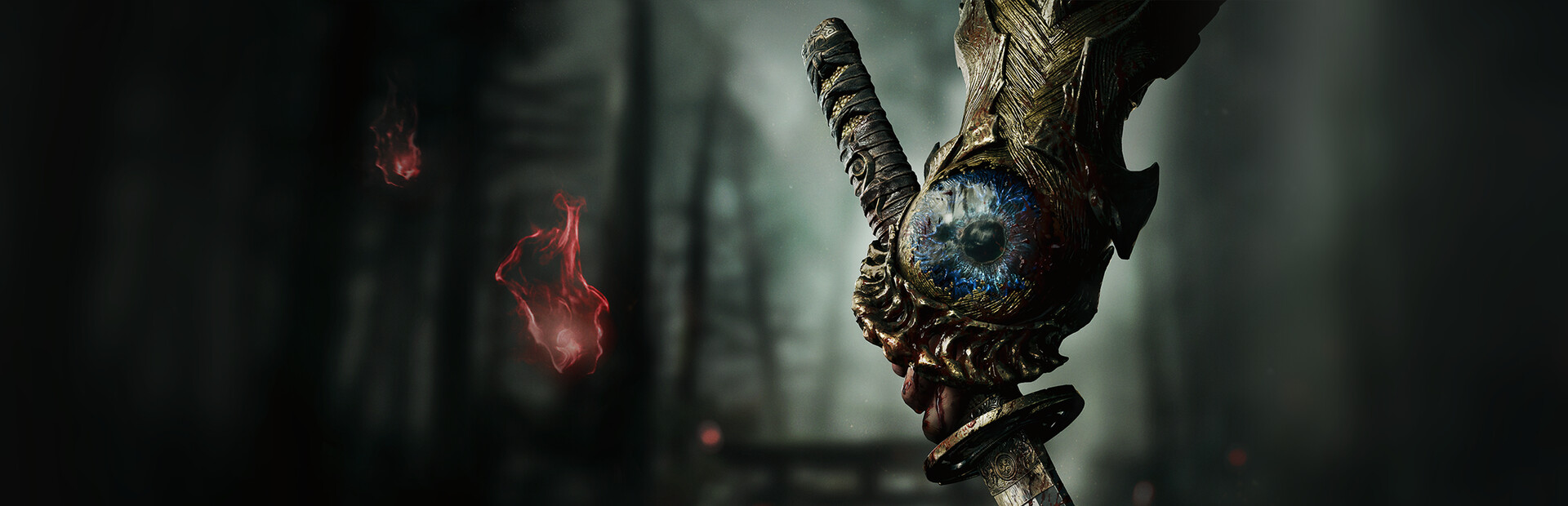
Understanding Onimusha: Way of the Sword Difficulty Levels
Struggling with Onimusha: Way of the Sword difficulty? Discover how the game balances combat and why it isn't a Soulslike. Read our expert guide now.
Video Guide
Is Onimusha Way of the Sword a HARD Game? (Played on Action Difficulty)Table of Contents
The return of a legendary franchise is always a cause for celebration, and with the release of Onimusha: Way of the Sword, fans of classic action-adventure titles have a lot to be excited about. However, one of the most pressing questions for the community has been regarding the Onimusha: Way of the Sword difficulty curve and how it stacks up against modern gaming expectations.
For many veterans and newcomers alike, the Onimusha: Way of the Sword difficulty setting dictates how much satisfaction they derive from the game’s intricate combat system. Understanding these mechanics early is essential, as the game focuses on precision and rhythm rather than the relentless attrition found in modern hardcore RPGs.
The Design Philosophy Behind the Combat
Capcom has made it clear that while they wanted to modernize the Onimusha experience, they did not intend to replicate the punishing, high-frustration nature of the Soulslike genre. Instead, the director and development team have emphasized that this title is built around the concept of "thrilling sword fights."
Why Difficulty Matters in Onimusha
In this game, difficulty is not just about enemy health bars or damage output; it is about the "dance" between the player and the Genma. When the game feels too easy, players often report that they lose the incentive to master the game’s unique parry and evasion systems. Conversely, a balanced difficulty allows for:
Strategic Engagement: You are forced to watch enemy patterns rather than mindlessly button-mashing.
Skill Progression: Mastering the timing of your strikes feels rewarding when the AI forces you to be precise.
Flow State: The "Way of the Sword" is meant to be a fluid, rhythmic experience that rewards offensive dominance.
Aspect
Souls-like Titles
Onimusha: Way of the Sword
Combat Focus
Attrition & Endurance
Rhythm & Reaction
Enemy Behavior
Aggressive/Predictive
Reactive/Strategic
Difficulty Level
Inherently High
Balanced/Accessible
Addressing the "Easy" Gameplay Concerns
Following the release of the demo, a common sentiment echoed in community discussions on Steam was that the combat felt "way too easy." Many players noted that the enemies were slow to attack, often standing idle while the player lined up a killing blow.
Is the Game Actually Too Easy?
Based on reports from the community, much of this perception stems from the early-game nature of the demo. Players who are familiar with the original Onimusha series know that the difficulty usually ramps up as you acquire new elemental weapons and face more complex Genma variants.
If you find yourself breezing through the early stages, consider these factors:
Weapon Limitations: You are likely using basic gear. The game's depth increases significantly once you unlock magical techniques.
Enemy Variety: Lower-ranked Genma are designed to be cannon fodder. Elite variants, such as the Ninja Genma, introduce much higher stakes later in the campaign.
Modern Player Skill: Many gamers are now accustomed to high-precision parry mechanics from titles like Sekiro, which makes the base-level enemies in Onimusha feel deceptively simple.
How to Increase Your Combat Challenge
If you feel that the default experience doesn't provide enough friction, you can implement your own "hard mode" by adjusting your playstyle. Here are some effective ways to heighten the challenge:
Self-Imposed Challenges
If the game feels too easy, try playing without relying on specific high-damage upgrades or magic spells. Limiting your healing items during boss encounters is another excellent way to test your mastery of the parry system.
Challenge Strategy
Impact on Gameplay
No-Upgrade Run
Keeps damage output low, requiring longer, more precise fights.
Parry-Only Mode
Ignore dodge rolls; force yourself to time every interaction perfectly.
Minimalist Gear
Use the starting sword throughout the entire campaign to test your skill.
Mastering the Mechanics of Survival
Whether you find the game easy or challenging, mastering the fundamental mechanics is the key to enjoying the experience. The Onimusha combat system is built on reactive decision-making.
Understanding Enemy Patterns
The enemies in Way of the Sword are not designed to be overwhelming in number, but they are designed to punish laziness. When you encounter a group:
Identify the Aggressor: Usually, one enemy will telegraph a heavy swing. Focus on parrying that enemy first.
Manage the Crowd: Use your environment to keep enemies in front of you. Do not let them surround you, as it makes monitoring their wind-up animations difficult.
Soul Absorption: Managing your soul gauge is the most important part of the game. Using these souls to power up your weapons effectively can shorten fights, making them feel easier, or save them for critical moments.
Community Perspectives on Difficulty
Many long-term fans have pointed out that the Onimusha series was never meant to be a test of frustration. It is a cinematic, stylish action game. A significant portion of the player base agrees that the combat is "pure bliss," and the perceived low difficulty is simply a result of the game being accessible to a wide audience.
As one community member noted, "The game feels like a samurai duel—you wait for the enemy to commit, and you punish them for it." This strategic approach is a refreshing change from the "dodge-roll-dodge-roll" gameplay seen in other modern titles.
Frequently Asked Questions (FAQ)
Is there a difficulty setting in Onimusha: Way of the Sword?
The game is balanced to offer a consistent, thrilling experience for most players. While Capcom has focused on avoiding "impossibly difficult" scenarios, they have ensured that the combat remains engaging through strategic enemy design rather than simple difficulty sliders.
Why is Onimusha: Way of the Sword so easy?
Much of the "easy" perception comes from early-game encounters. As you progress, the enemy types shift, and the complexity of their attack patterns increases. The game is designed for fluid, stylish combat rather than soul-crushing difficulty.
Should I play it if I love difficult Soulslike games?
Absolutely. While it isn't a Soulslike, the combat rewards precision, timing, and patience. If you appreciate the "samurai dueling" aspect of games like Sekiro or Nioh, you will find the combat system in Way of the Sword to be incredibly satisfying.
Does the difficulty increase after the early game?
Yes. As you venture further into the campaign and encounter elite Genma, you will find that the game demands much more attention to parry timing and resource management compared to the initial levels shown in the demo.