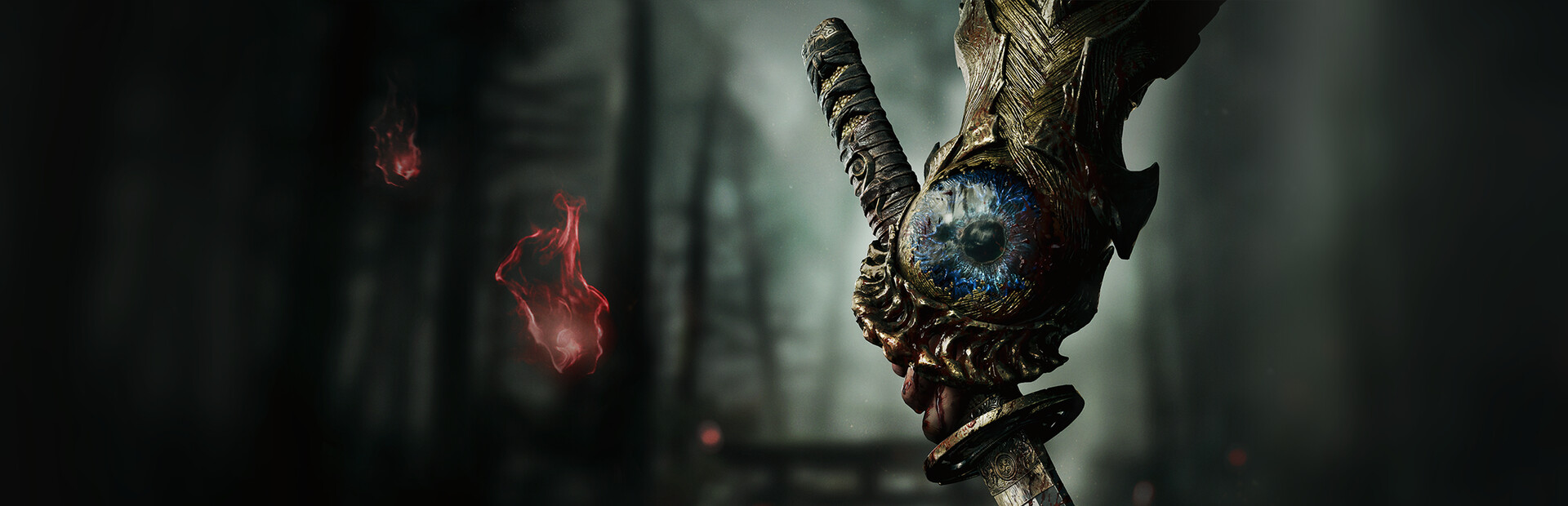
Is Onimusha: Way of the Sword a Soulslike? Honest Breakdown
Wondering if Onimusha: Way of the Sword is a soulslike? Discover the truth about the game's combat, mechanics, and how it differentiates from the genre.
Table of Contents
The gaming community is buzzing with excitement over Capcom’s long-awaited revival of the samurai action franchise. With the recent launch of the new title, a burning question has emerged among players: is Onimusha: Way of the Sword a soulslike? It is vital to address this early, as setting the right expectations determines whether you will enjoy this Edo-period adventure or find yourself frustrated by misplaced mechanics.
While many modern action titles are quick to adopt the punishing design philosophies of FromSoftware, this game takes a different path. Is Onimusha: Way of the Sword a soulslike? The short answer is no, though it certainly borrows modern design flourishes that might confuse newcomers. In this article, we will break down the combat, exploration, and progression systems to show you exactly how this title carves out its own identity while paying homage to the roots of the original series.
Defining the Genre: What Actually Makes a Soulslike?
To determine if a game fits the "soulslike" label, we must look at the structural pillars that define the genre. Soulslikes typically emphasize high-stakes combat, stamina management, corpse-run death penalties, and interconnected world design.
Feature
Soulslike Standard
Onimusha: Way of the Sword
Combat Focus
Stamina-based, slow/deliberate
Reactive, counter-focused
Difficulty
High, non-negotiable
Story vs. Action difficulty modes
Death Penalty
Lose currency upon death
Checkpoint-based progression
Exploration
Interconnected world
Hub-based, mission structure
As shown in the table above, the game prioritizes a different flow of action. While you have a stamina bar, its function is tied more to breaking guards and executing "Issen" maneuvers rather than simply limiting your ability to swing a sword.
Combat Mechanics: Precision Over Endurance
The core of the game is its methodical, defensive-based combat. Unlike games that encourage aggressive button mashing, Way of the Sword requires players to master timing and pattern recognition. This is where the confusion often arises, as the focus on parrying and deflection feels reminiscent of Sekiro: Shadows Die Twice.
Key Combat Techniques
Deflection: Successfully parrying an enemy at the last second drains their stamina gauge.
Issen Execution: Once an enemy is staggered, you can perform a high-damage finisher, which often chains beautifully if multiple enemies are nearby.
Blazing State: By consistently executing perfect blocks, you build a meter that empowers your blade, turning you into a whirlwind of destruction.
According to player experience gathered from recent discussions on platforms like Steam, veterans of the franchise feel that the combat is actually a natural evolution of the classic Oni-mechanics rather than a copycat of the soulslike genre. The inclusion of an "Action" difficulty mode also confirms that the developers intended the game to be accessible, allowing players to scale the challenge to their personal skill level.
Master the Parry Window
Don't let the intensity of boss fights intimidate you. If you are struggling, spend time in the early game practicing your deflects against basic samurai grunts. The game rewards patience, and the visual feedback for a perfect parry is both satisfying and mechanically advantageous.
World Design and Progression
If you look at the map and quest structure, the game functions more like a traditional action-adventure title than an open-world exploration game. You operate out of an Eastern Kyoto hub, which expands as you progress through the narrative.
Progression System Overview
Oni Gauntlet: This is your primary tool for gathering souls (Red, Blue, and Yellow), each providing specific buffs or currency for upgrades.
Equipment Upgrades: You use gathered resources to enhance your armor, blade, and gauntlet stats.
Side Content: Unlike the often obscure questing in soulslikes, all side missions are clearly marked on your map, removing the "guesswork" and ensuring you don't miss character-driven narratives.
The story itself follows Miyamoto Musashi as he uncovers the mystery behind the Genma-infested Kyoto. The developers have managed to avoid the "vague lore" trope often found in soulslikes, opting for a cinematic approach with stellar voice acting that keeps you grounded in the stakes of the world.
Why the "Soulslike" Misconception Persists
It is common for modern audiences to label any third-person action game with a lock-on system or challenging bosses as a "soulslike." This is partly due to the genre's massive popularity over the last decade. However, equating difficulty with the soulslike genre is a disservice to the variety of action titles available today.
Community Reports suggest that the confusion largely stems from UI elements and boss fight intensity. Many players note that the health and stamina bars, combined with the presence of "Save Shrines," create an immediate psychological association with Dark Souls. Yet, as noted in various independent reviews, these elements were present in the original Onimusha games released on the PS2, long before Demon's Souls existed.
Comparing the Experience: Which Mode is for You?
One of the best features of Way of the Sword is its player-centric difficulty setting. You are not forced into a specific gameplay style; you can tailor the experience to your preferences.
Setting
Intended Audience
Key Difference
Story Mode
Fans of narrative/casual play
Includes visual button prompts for counters
Action Mode
Franchise veterans/challenging play
Requires timing and system mastery
Carnage Mode
New Game+ enthusiasts
Punishing enemy damage, rewards reflexes
By offering these modes, the developers ensure that the game remains fun whether you are looking for a relaxing samurai fantasy or a grueling test of your blade-wielding skills.
FAQ: Is Onimusha: Way of the Sword a Soulslike?
Q: Is Onimusha: Way of the Sword a soulslike in terms of difficulty?
A: No, it is not inherently a soulslike. While it features challenging bosses and defensive mechanics, the game provides a "Story" difficulty mode that allows players to enjoy the experience without the frustration often associated with soulslike games.
Q: Does the game have the corpse-run mechanic where you lose souls upon death?
A: No. The game utilizes a traditional checkpoint system. You do not need to retrieve your "lost" resources after dying; the game saves your progress, allowing you to learn from your mistakes and jump back into the action immediately.
Q: How does the combat differ from Dark Souls?
A: The combat is much faster and more focused on cinematic executions (Issen) and reactive parrying. While you have a stamina bar, it acts more as a gauge for enemy vulnerability rather than a strict limit on your combat movement, resulting in a more fluid, high-octane feel.
Q: Should I play the original games before this one?
A: While it is not strictly required, playing the older entries will certainly enhance your appreciation for the references, the Oni Gauntlet system, and the legacy of the characters. However, Way of the Sword stands on its own as a fantastic entry point for new fans.
In conclusion, while it is easy to see why the "soulslike" label is being thrown around, Onimusha: Way of the Sword is ultimately a distinct, polished samurai action game. It takes the best of its own legacy—fast, rhythmic combat and soulful atmosphere—and blends it with modern UI and accessibility. Don't let the genre labels deter you; this is a title worth experiencing for its own unique merits.