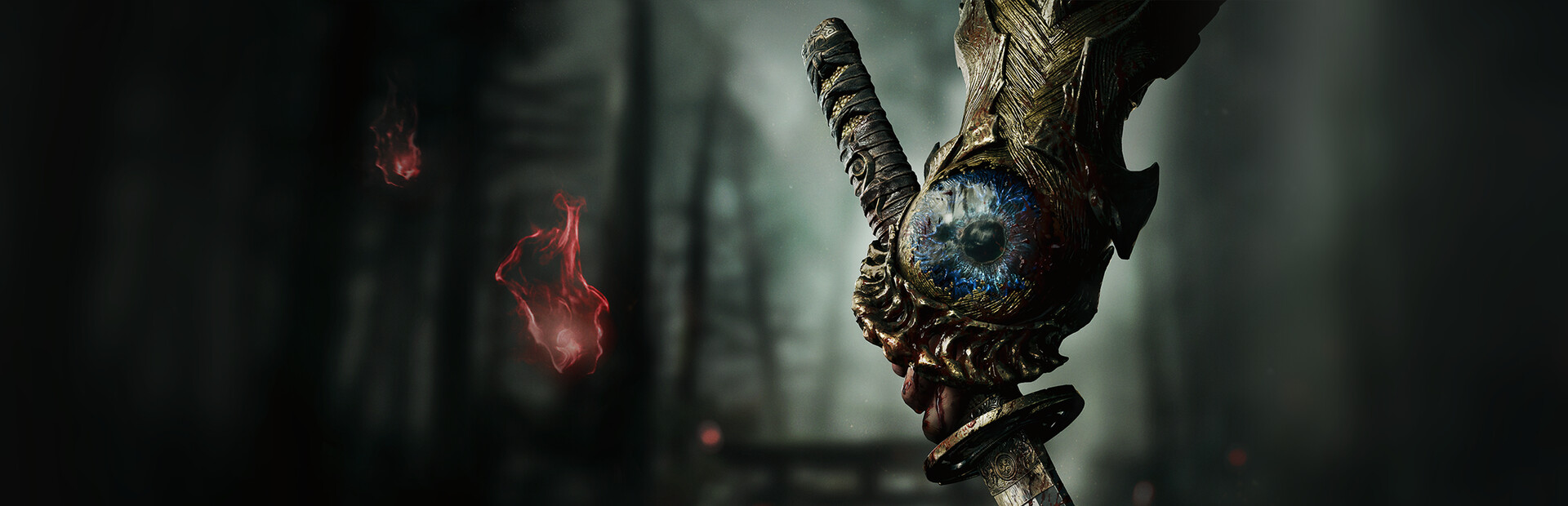
Onimusha: Way of the Sword Release Date and Gameplay Guide
Get the latest on the Onimusha: Way of the Sword release date, gameplay tips, and combat strategies for Capcom’s long-awaited samurai action-adventure revival.
Table of Contents
The silence that has surrounded the legendary Onimusha franchise for two decades has finally been shattered. With the official Onimusha: Way of the Sword release date now confirmed as September 4, 2026, fans of classic Capcom action are flocking back to the Sengoku era to test their blades against the Genma once again. Understanding when this game dropped and how to master its intricate systems is essential for anyone looking to conquer Kyoto’s darkest threats.
Whether you are a newcomer to the series or a veteran waiting since 2006 for a worthy successor, this guide will help you navigate the challenge ahead. Capcom has delivered a demanding, technically proficient experience that rewards precision and patience, making the Onimusha: Way of the Sword release date one of the most significant calendar events for action game enthusiasts this year.
Understanding the Combat: Deflect, Parry, and Issen
At its core, Way of the Sword is about mastering a single, rhythmic dance of steel. Unlike traditional hack-and-slash titles, this game demands that you observe your enemy's stance and react with surgical accuracy. The combat system revolves around three pillars of defense: the standard block, the directional dodge, and the high-risk, high-reward parry.
Combat Mechanics Breakdown
Mechanic
Input Goal
Best Usage Scenario
Reward
Parry
Precise timing
Sword-wielding enemies
Depletes stamina
Dodge
Quick directional shift
Unarmed or grapple attacks
Creates opening for counter
Deflect
Hold and time
Armored foes
Massive stamina damage
Issen
Frame-perfect strike
Standard Genma
Instant execution
The "Issen" remains the most sought-after skill for players. It requires you to attack at the exact frame an enemy lunges. While it feels overpowered, the timing is incredibly strict, and as player feedback suggests, it is a skill that distinguishes the masters from the mere mortals. If you miss an Issen, you are left wide open to devastating counterattacks from the game's brutal boss encounters.
The Role of the Oni Gauntlet and Soul Absorption
Miyamoto Musashi is not a hero by choice. His journey is tethered to the Oni Gauntlet, a sentient weapon that consumes the souls of the defeated. Managing your souls effectively is the difference between life and death during the game’s 20-hour campaign.
Soul Management Strategies
Always prioritize yellow souls for health restoration. If your health is full, focus on absorbing blue souls to charge your Oni Armaments, which are essential for dealing massive damage to boss weak points.
Soul Types and Their Effects
Yellow Souls: Primary health recovery. Essential during boss fights.
Red Souls: Currency for character upgrades and equipment maintenance.
Blue Souls: Fuel for special Oni Armaments and powerful AOE abilities.
Some enemies are specifically programmed to steal souls from you, forcing you to play aggressively. This creates a "tug-of-war" dynamic where you must constantly choose between playing defensively to survive and rushing in to reclaim your stolen life force.
Mastering the Boss Battles
The boss battles are the true test of your technical prowess in Way of the Sword. Community reports indicate that even players experienced with the Souls-like genre find the boss difficulty curve in the latter half of the game to be exceptionally steep.
When facing a boss, do not rely solely on aggression. Many bosses have specific patterns that can only be countered by specific mechanics. For example, some lightning-based attacks cannot be parried and must be dodged, while grab attacks require a perfect reflex dodge to initiate a powerful follow-up combo.
Boss Fight Preparation Checklist
Analyze Attack Patterns: Watch the first 30 seconds of the fight without attacking to learn the wind-up animations.
Resource Management: Save your Oni Armaments for the second phase of the fight when the boss is most aggressive.
Target Weak Points: Use the Eshin technique to strike red weak points for damage or purple ones for soul recovery.
Stay Persistent: If you fail, treat each death as a lesson in timing rather than a loss of progress.
Exploration and Side Quests in Kyoto
While the game is largely linear, the hub area of Eastern Kyoto offers a refreshing change of pace. You are tasked with clearing out demonic "malice" from various city segments, which serves as both an exploration tool and a way to unlock powerful gear upgrades.
Is the game open-world?
No, Way of the Sword is a wheel-and-spoke action game. While Kyoto provides a semi-open hub for exploration and side quests, the primary mission structure remains focused and linear, emphasizing tight, curated combat arenas over empty open-world bloat.
Recommended Side Activities
Lady Murasaki’s Quests: These provide deep lore and narrative rewards, often culminating in insights into Japanese mythology.
Hidden Treasure Hunting: Use drawings found throughout the city to uncover upgrade materials.
Lion Dog Rescue: A collectible hunt that is surprisingly rewarding and often adds humor to the otherwise grim atmosphere.
Frequently Asked Questions
Q: Is there any connectivity to the previous Onimusha games?
A: No, Way of the Sword is a standalone experience. Capcom designed it this way so that newcomers can jump in without needing to know the complex history of the original 2000s trilogy.
Q: Does the Onimusha: Way of the Sword release date vary by platform?
A: No, the game launched simultaneously on Nintendo Switch 2, PlayStation 5, Windows, and Xbox Series X/S on September 4, 2026.
Q: How long does it take to beat the game?
A: A typical playthrough takes around 20 hours. However, if you complete all side quests and strive for completionist goals like unlocking the "Carnage" difficulty, your playtime can easily exceed 35–40 hours.
Q: Is this game a Soulslike?
A: While it shares some demanding combat qualities with the genre, the director explicitly noted that Way of the Sword focuses on classic samurai action and the clashing of blades, rather than the passive, dodge-heavy nature typical of most Soulslikes.